What it usually covers
A visual below-waterline check is built to answer the practical question first: what is happening below the surface right now? For many owners, that is enough to move from uncertainty into a smarter next step.
- Visible fouling or growth
- Prop or running-gear concerns that can be seen visually
- Lift, dock, or swim-area condition questions
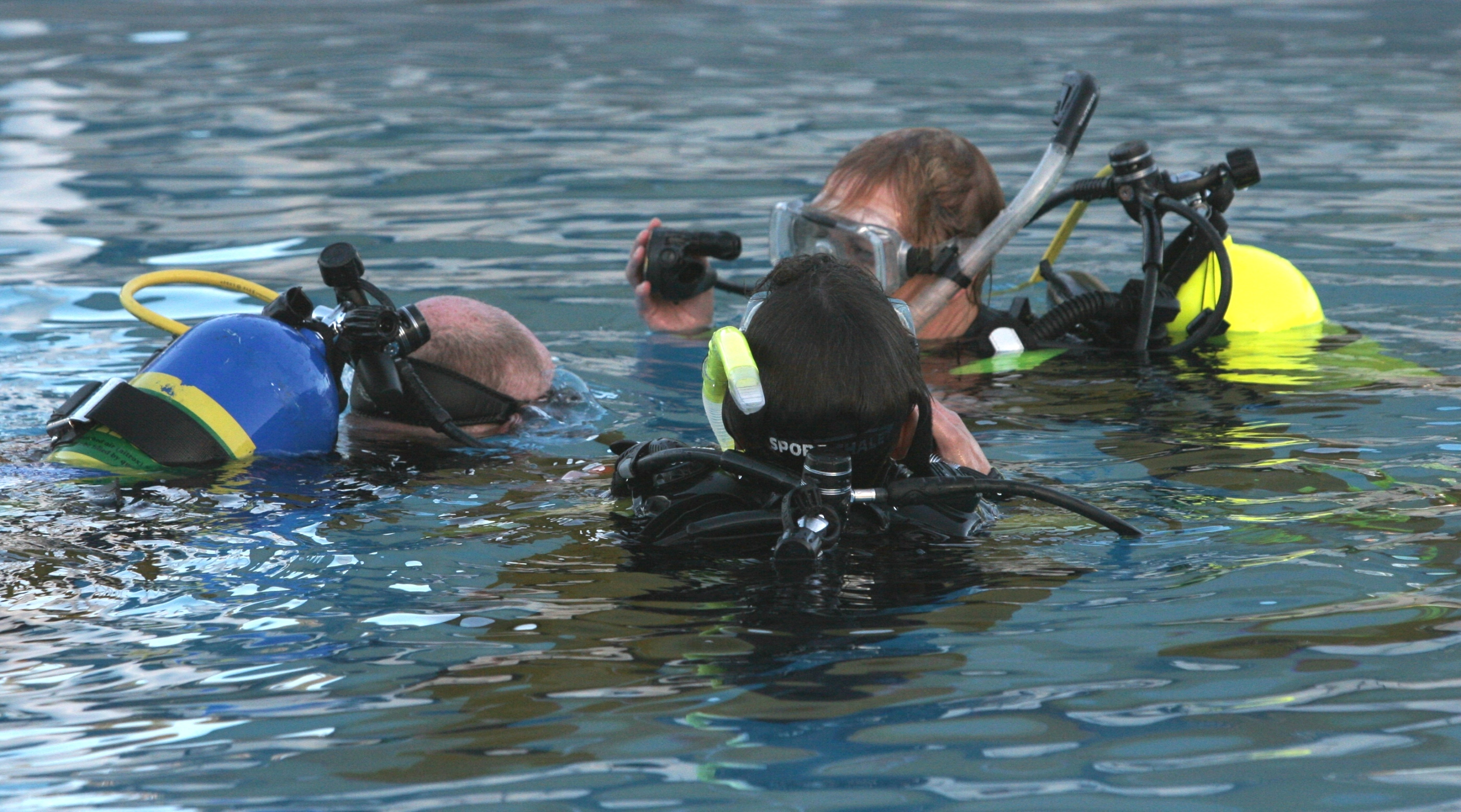
- Useful photo or video documentation for repair conversations
When people request one
Most calls happen when the owner notices vibration, impact, odd performance, storm-related concern, or a nagging dock or lift question that cannot be answered from shore.
What it does not do
This kind of page should stay honest. A below-waterline visual check is not the same thing as a formal engineering or structural sign-off. That distinction matters, and good copy makes it easy to understand.
Why documentation matters
Clean documentation helps owners slow down, see the problem more clearly, and decide whether the next move is repair, monitoring, partner follow-up, or a broader inspection conversation.